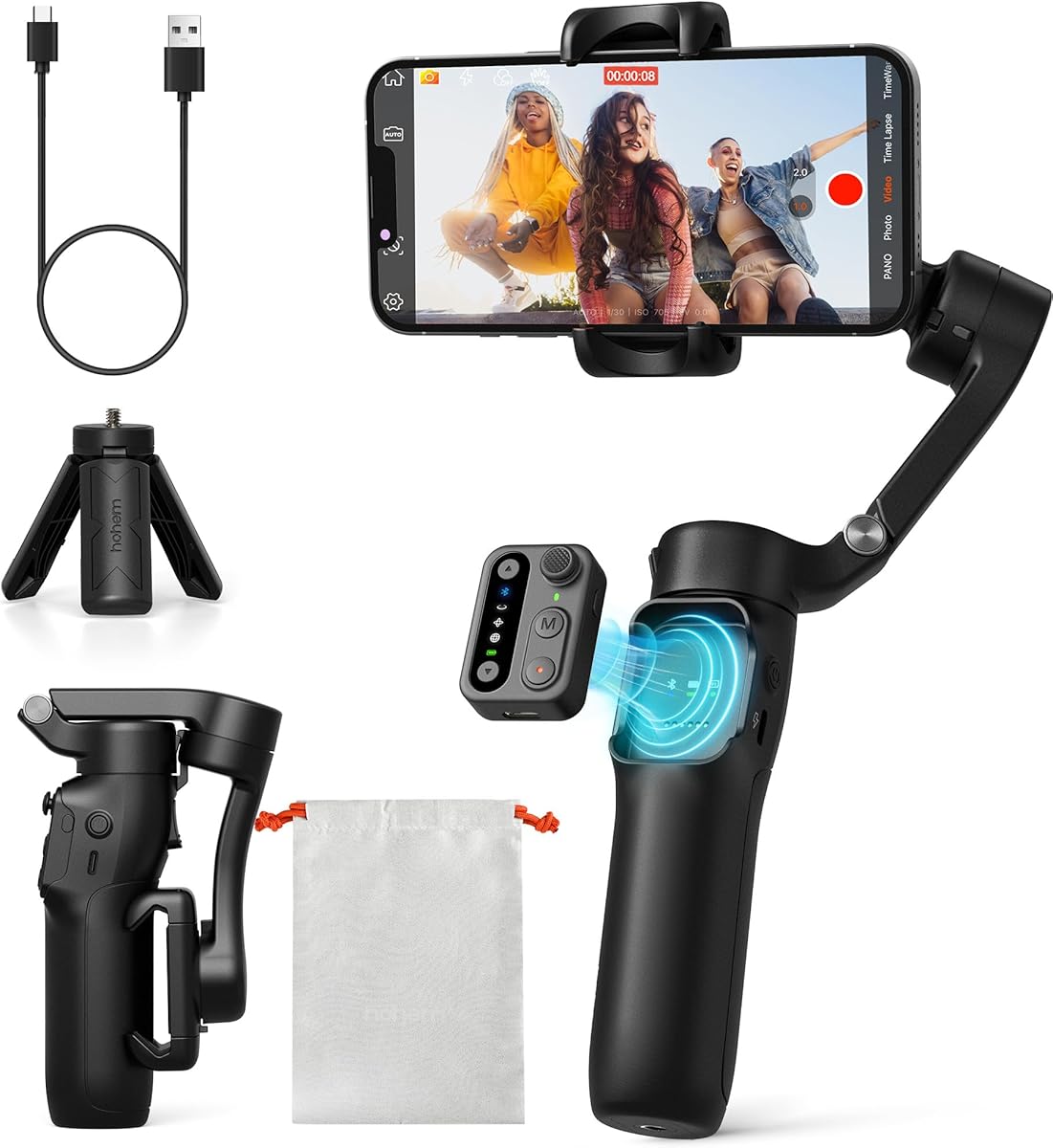
hohem iSteady X3 SE
4.2Editor score
Detachable magnetic remote control
Foldable pocket-sized design
Eleven-hour battery operation
Capturing smooth footage while climbing steep terrain requires reliable stabilization gear designed for dynamic movement and harsh conditions. A quality gimbal ensures your videos remain steady even when navigating rocky paths or sudden changes in elevation during your ascent.
We evaluated ten leading gimbal models based on stabilization performance, battery endurance, portability, and compatibility with various camera types used by outdoor enthusiasts. Each product was assessed for its ability to handle motion and withstand environmental challenges typical of mountaineering expeditions.
This guide highlights the strengths and trade-offs of each option to help you select the right tool for your specific filming needs. Please note that availability and pricing may vary over time, so verify current details before making a final purchasing decision.
4.2Editor score

4.5Editor score

4.9Editor score
As an Amazon Associate we earn from qualifying purchases.
The following table provides a side-by-side comparison of ten gimbal stabilizers selected for their performance and reliability in outdoor filming scenarios. Use this overview to quickly identify key specifications and features that align with your mountaineering content creation goals.


The DJI Osmo Mobile 8 stands out as a leading option for mountaineering videography due to its robust stabilization and intelligent tracking features. It delivers smooth footage even during rapid movements on uneven terrain while maintaining focus on your subject consistently.
We may earn a commission when you buy through this link, at no additional cost to you.
Its native tracking capabilities combined with audio and lighting modules allow for comprehensive content creation without additional accessories. The seamless thirty-sixty degree pan rotation provides immersive shots that capture the vastness of mountain environments effectively.
While the device offers extensive features, users should note that the app availability may vary across platforms requiring manual downloads from the manufacturer website. This minor inconvenience is offset by the device ability to charge your phone while recording.
Creators seeking a reliable smartphone gimbal with professional features should consider this model for their outdoor adventures. It balances performance and usability well for those documenting climbing expeditions or scenic trails.
The built-in lighting ensures your subject remains well-lit in low-light mountain environments without needing external gear.
With a ten-hour battery life, you can film extended climbs or multi-day expeditions without frequent recharging needs.
We may earn a commission when you buy through this link, at no additional cost to you.
The DJI Osmo Mobile 7 is an excellent choice for hikers who prioritize portability without sacrificing stabilization quality. Its lightweight build makes it easy to carry in a backpack while ensuring steady footage during treks.
We may earn a commission when you buy through this link, at no additional cost to you.
ActiveTrack seven point zero utilizes dual lenses to maintain sharp focus on subjects even during fast-paced action sequences. The ergonomic design reduces hand strain during long recording sessions which is crucial for capturing panoramic mountain views.
While it offers many advanced features, the device is primarily designed for smartphones which may limit options for DSLR or mirrorless users. The foldable design with a built-in tripod adds convenience for hands-free stationary shots at campsites.
For content creators focusing on smartphone footage during mountaineering trips, this gimbal provides a balance of performance and ease of use. It is particularly suited for solo travelers needing a compact stabilization solution.
The dual-lens system enhances tracking accuracy allowing subjects to move freely without losing focus in complex environments.
The integrated foldable design and built-in tripod allow for quick setup and easy storage in tight pack spaces.
We may earn a commission when you buy through this link, at no additional cost to you.
The Hohem iSteady Pro 4 is tailored for mountaineers using action cameras like GoPro or DJI OSMO Action. Its splashproof design ensures reliability in wet or snowy conditions commonly encountered at high elevations.
We may earn a commission when you buy through this link, at no additional cost to you.
Bluetooth connectivity allows you to control camera functions directly from the gimbal extending battery life by reducing reliance on constant WiFi connections. The fourteen-hour runtime supports all-day filming without needing extra power sources.
Users should be aware that some camera models may not support full control features though stabilization remains effective across supported devices. The quick mounting system saves time when switching cameras or adjusting setups on the go.
Action camera enthusiasts looking for a durable and long-lasting stabilization solution will find this gimbal well-suited for rugged expeditions. It combines weather resistance with practical features for outdoor content creation.
The IPX4 rating protects the device from water splashes making it ideal for filming in rain or snow.
You can use the gimbal as a power bank to charge your action camera while recording to extend session times.
We may earn a commission when you buy through this link, at no additional cost to you.
This variant of the Hohem iSteady Pro 4 emphasizes quick access and creative shooting modes for dynamic mountaineering footage. The three-second quick release clip allows rapid mounting and detachment of action cameras during fast-paced climbs.
We may earn a commission when you buy through this link, at no additional cost to you.
The inception mode enables mind-bending transitions by rotating the camera up to six hundred degrees adding cinematic flair to your adventure videos. Stabilization algorithms ensure smooth results even when running or handling intense motion on uneven ground.
While the device offers advanced features, beginners may need time to master the different shooting modes and control options. However the rugged design and extended battery life make it a practical choice for long outdoor shoots.
Content creators wanting creative flexibility and speed in setting up shots will appreciate this gimbal. features. It is designed for action-oriented filming where quick changes and durability are essential.
The six hundred degree rotation capability allows for dramatic spinning transitions that add visual interest to videos.
Designed to resist water splashes this gimbal performs reliably in harsh weather conditions typical of mountain environments.
We may earn a commission when you buy through this link, at no additional cost to you.
The hohem iSteady X3 SE offers an affordable entry point for mountaineers looking to stabilize smartphone footage without breaking the budget. Its foldable design makes it easy to pack and carry during long treks or climbs.
We may earn a commission when you buy through this link, at no additional cost to you.
A detachable magnetic remote allows you to control shots from a distance which is useful for solo creators capturing wide landscape views. The eleven-hour battery life ensures you can film throughout the day without frequent interruptions.
While it lacks some premium features found in higher-end models it delivers solid stabilization for casual users and beginners. The high payload capacity accommodates larger smartphones with cases which is common for outdoor filming setups.
This gimbal is ideal for those new to video stabilization or needing a reliable backup device for their expeditions. It balances cost and functionality well for everyday outdoor content creation needs.
The magnetic remote lets you trigger recordings from up to thirty feet away enabling creative angles and group shots.
Weighing less than one pound this gimbal folds into a pocket-sized package minimizing bulk in your climbing gear.
We may earn a commission when you buy through this link, at no additional cost to you.
The DJI Osmo Mobile 7P is designed for creators who need integrated audio and lighting solutions alongside stabilization. It pairs seamlessly with DJI Mic devices to capture high-quality audio during mountaineering vlogs or interviews.
We may earn a commission when you buy through this link, at no additional cost to you.
The multifunctional module includes lighting and mic reception capabilities reducing the need for additional accessories. The magnetic design allows quick phone mounting and the app launches automatically for streamlined operation in the field.
While the module adds versatility it may increase the overall setup cost and weight for some users. The ten-hour battery life supports extended recording sessions though charging capabilities vary based on the module usage.
Vloggers seeking an all-in-one solution for audio video and lighting should consider this gimbal for their work. It simplifies the workflow for solo creators traveling to remote locations where gear efficiency matters.
Built-in mic reception allows direct connection to DJI microphones ensuring clear audio without extra cables.
The integrated extension rod enables wider shots and higher angles without needing separate gear for versatile framing.
We may earn a commission when you buy through this link, at no additional cost to you.
The DJI RS 3 Mini is a compact option for mountaineers using mirrorless cameras who need professional stabilization. Its light weight reduces fatigue during long treks while maintaining a high payload capacity for various lens setups.
We may earn a commission when you buy through this link, at no additional cost to you.
The one point four inch touchscreen offers an intuitive interface for adjusting settings on the fly. Bluetooth shutter control keeps you connected to your camera automatically reconnected after initial pairing for streamlined operation.
While it is designed for mirrorless systems the compact size may limit battery runtime compared to larger models. Vertical shooting support is ideal for social media content without needing to rotate the camera manually.
Filmmakers using DSLR or mirrorless gear will appreciate the balance of performance and portability this gimbal provides. It is a strong choice for those prioritizing quality footage with a lighter setup.
Supports a wide range of cameras and lenses allowing flexibility for professional photography and video work.
Quick release plate on the vertical arm enables seamless creation of vertical video content for social platforms.
We may earn a commission when you buy through this link, at no additional cost to you.
The DJI Osmo Pocket 3 combines a high-quality camera with a three-axis gimbal for ultimate simplicity in outdoor filming. Its one-inch sensor delivers exceptional image quality even in low-light mountain environments at dawn or dusk.
We may earn a commission when you buy through this link, at no additional cost to you.
The rotating touchscreen facilitates easy framing for both horizontal and vertical content without needing additional tools. ActiveTrack six point zero ensures subjects stay focused during dynamic scenes such as climbing or hiking along trails.
As an integrated system the camera cannot be swapped which may limit flexibility for photographers who prefer specific lenses. However the convenience of a single compact device makes it ideal for travelers seeking hassle-free operation.
Vloggers and casual filmmakers will find this device offers a premium experience with minimal setup time. It is a top choice for capturing cinematic footage while minimizing gear complexity during mountaineering trips.
The one-inch sensor captures detailed footage with excellent low-light performance ensuring clear images in dim conditions.
The two-inch rotating screen allows for effortless switching between portrait and landscape shooting formats.
We may earn a commission when you buy through this link, at no additional cost to you.
The FeiyuTech SCORP Mini-3-Pro excels with built-in AI tracking that functions without external apps or sensors. This feature is particularly valuable in remote mountaineering zones where connectivity may be limited or unstable.
We may earn a commission when you buy through this link, at no additional cost to you.
With a four point four pound payload capacity it supports a wide range of cameras including mirrorless and action units. The detachable handle acts as a wireless remote offering flexibility for solo creators needing low-angle or distant shots.
While the feature set is comprehensive the learning curve for mastering tracking and control modes may be steeper for beginners. The built-in phone cooling fan helps prevent overheating during long recording sessions in warm conditions.
Creators needing advanced tracking and robust payload support will find this gimbal a powerful tool for professional content. It balances performance and versatility well for serious mountaineering filmmakers.
The built-in AI tracks subjects without needing a smartphone app ensuring reliability even in areas with poor signal.
The handle can be removed to use as a separate controller providing flexibility for solo shooting scenarios.
We may earn a commission when you buy through this link, at no additional cost to you.
The hohem iSteady MT3 Pro offers unmatched versatility with compatibility across mirrorless compact action and smartphone cameras. Its two point five kilogram payload capacity ensures stability even with heavy lens setups during mountain expeditions.
We may earn a commission when you buy through this link, at no additional cost to you.
A detachable touchscreen remote provides live feed and control from a distance which is useful for framing complex shots alone. The built-in AI camera tracks subjects quickly and the integrated fill light enhances visuals in shadowed environments.
While the feature set is extensive the weight and price may be considerations for ultralight hikers prioritizing minimal gear. The twenty-hour battery life supports prolonged usage though charging times may impact field operations.
Producers needing a multi-platform solution with advanced lighting and tracking features should evaluate this model. It is a premium option for those requiring maximum flexibility and performance on challenging terrain.
Supports four camera types allowing seamless transitions between devices without needing separate gimbals for different gear.
The remote offers live feed preview and control enhancing framing flexibility for solo operators in the field.
We may earn a commission when you buy through this link, at no additional cost to you.
Selecting the right gimbal for mountaineering involves evaluating several factors to ensure performance aligns with your filming needs and environmental conditions.
Look for three-axis stabilization systems that maintain smooth footage during rapid movements or uneven terrain. Advanced algorithms help reduce jitter and ensure professional-quality video even in dynamic situations.
Prioritize models with strong motor torque and accurate sensors to handle sudden motions typical of climbing or hiking.
Long battery life is essential for extended outdoor shoots where charging options are limited. Aim for devices offering at least ten hours of continuous operation to cover full-day expeditions without interruption.
Check if the gimbal supports charging your camera or phone to extend runtime for connected devices during long sessions.
Mountaineering gear should be lightweight and compact to avoid adding unnecessary bulk to your pack. Foldable designs and low weight ensure easy transport and quick access when needed on the trail.
Balance weight with payload capacity to ensure the gimbal can handle your chosen camera without becoming too heavy to carry.
Outdoor environments expose equipment to moisture and cold so water resistance is a valuable feature. Look for splashproof ratings like IPX4 to protect against rain or snow during filming.
Ensure the device is built with durable materials that can withstand temperature fluctuations and physical impacts during travel.
Verify that the gimbal supports your specific camera type whether smartphone action camera or mirrorless system. Matching payload capacity to your camera ensures stability without overloading the motors.
Check for compatibility with quick-release systems to switch between cameras efficiently during varied shooting scenarios.
Intelligent tracking helps keep subjects in focus without constant manual adjustment which is ideal for solo creators. Features like gesture control or remote handles add flexibility for framing shots from a distance.
Consider models with app-based editing tools to streamline post-production workflows while capturing footage in the field.
User-friendly interfaces and intuitive controls reduce setup time allowing you to focus on the adventure. Simple balancing processes and clear instructions help beginners start filming quickly without frustration.
Look for models with physical buttons or touchscreens that are responsive even when wearing gloves in cold weather.
Invest in a gimbal with robust construction to endure the rigors of outdoor expeditions. Metal alloys and reinforced joints contribute to longevity and reliability during frequent use.
Check user reviews for real-world feedback on durability and performance in demanding mountaineering conditions.
Before heading into the field ensure your gimbal is properly balanced according to the manufacturer instructions. Test the motors and tracking features on flat ground to confirm smooth operation before tackling uneven terrain.
During use keep the device protected from dust and moisture when not actively filming. Use the included case or a padded pouch to prevent scratches and impacts during transport in your backpack.
After each trip clean the gimbal with a soft dry cloth to remove dirt and salt residue. Store it in a dry place and check battery levels regularly to maintain optimal performance for future expeditions.
Most gimbals operate within a standard temperature range but extreme cold can affect battery performance. Check the manufacturer specifications for minimum operating temperatures and keep spare batteries warm in insulated pockets to ensure reliability.
Yes water resistance helps protect the device from rain snow or humidity common at high altitudes. Look for splashproof ratings like IPX4 to ensure the gimbal withstands wet conditions without damage.
Carrying extra batteries is advisable for long filming sessions where recharging is not feasible. Most gimbals offer several hours of runtime but extended expeditions benefit from having backup power sources.
Many gimbals support larger payloads but thick cases may add weight beyond limits. Check the maximum payload capacity and test your phone with its case to ensure proper balance and stability.
Calibration usually involves following on-screen prompts in the companion app or pressing a calibration button. Always calibrate on a flat surface before each session to ensure smooth motor performance.
Store the gimbal in a protective case to prevent damage from dust and impacts. Keep it in a cool dry place and avoid leaving it in extreme temperatures to maintain battery health.
Basic stabilization works without an app but advanced features like tracking and editing require the companion software. Ensure you download the latest app version from the official website for optimal compatibility.
Use a soft dry cloth or brush to remove dust from joints and buttons. Avoid using liquids directly on the device and allow it to air dry fully before storage.
This guide highlights ten gimbal models offering a range of features tailored to different mountaineering filming needs. From lightweight smartphone options to robust mirrorless solutions there is a choice for every creator.
Prioritize stabilization performance battery life and weather resistance to ensure your gear performs reliably in challenging environments. Consider your camera type and filming style to match the right gimbal capabilities.
Before purchasing check current availability and verify details with retailers to confirm compatibility and pricing. With the right gimbal you can capture smooth professional footage of your mountain adventures.