
Sipeed Tang Nano 20K
4.5Editor score
20K LUT4 Logic Cells
HDMI Output Support
Open Source Linux OS
Explore the top FPGA retro consoles of October 2026. This guide compares performance, features, and expandability to help you choose the best retro gaming
FPGA retro consoles offer a unique blend of vintage gaming nostalgia and modern hardware performance. These devices use field programmable gate arrays to emulate classic systems with remarkable accuracy and low latency. Enthusiasts appreciate the ability to customize cores and expand functionality through open source communities and modular designs.
We evaluated ten leading FPGA based retro gaming platforms based on hardware specifications, software support, and user experience. Our analysis covers development boards capable of running emulator cores alongside dedicated handheld units. We considered factors like video output quality, controller connectivity, and the ease of installing new game cores.
Each selection highlights specific strengths such as portability, raw processing power, or developer friendly features. Prices and availability may fluctuate over time so checking the latest listings is recommended before purchasing. Use this guide to find the device that best matches your gaming preferences and technical requirements.
4.5Editor score
4.0Editor score

4.0Editor score
This comparison table provides a side by side overview of the key specifications and features across all ten selected FPGA retro console options. Review the hardware capabilities and connectivity details to determine which model aligns best with your specific gaming and development goals.



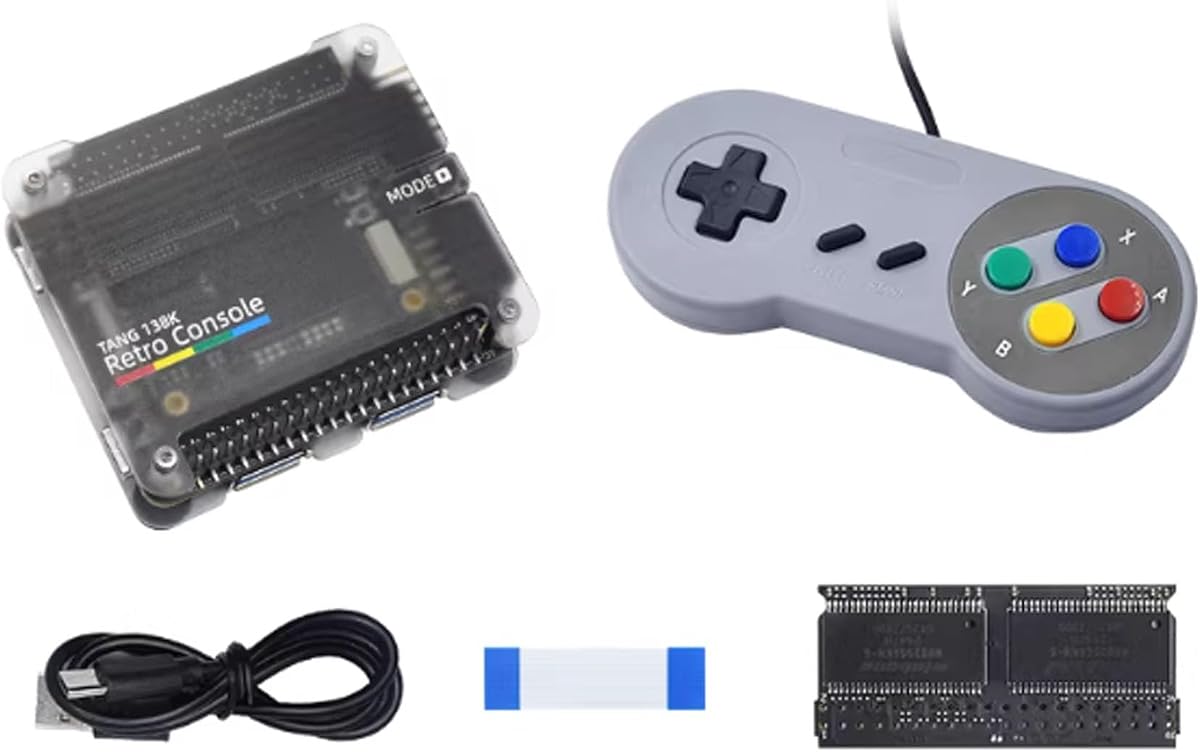
The Sipeed Tang Console 138K stands out as a powerful development board designed for retro gaming enthusiasts who demand high performance. With its 138K LUT4 FPGA chip, it offers substantial logic resources necessary for running accurate and complex emulator cores. The inclusion of HDMI output ensures seamless integration with modern televisions and monitors without requiring additional adapters.
We may earn a commission when you buy through this link, at no additional cost to you.
Its design emphasizes expandability through dual PMOD ports and compatibility with the Raspberry Pi 5 via a PCIe HAT interface. This flexibility allows users to attach various peripherals or combine FPGA logic with general purpose computing capabilities. The onboard structure supports multiple configuration options making it suitable for both standalone retro gaming and advanced development projects.
While the board lacks pre-installed software it provides a clean slate for developers to build custom experiences. Users must download and flash their desired emulator cores which requires familiarity with FPGA development tools. This learning curve is acceptable given the high level of control and customization the hardware provides.
This product is ideal for hobbyists and engineers looking to explore FPGA programming or build a high fidelity retro console from scratch. It represents a strong choice for those who prioritize raw performance and modularity over plug and play convenience. We recommend it for users comfortable with technical setup procedures.
The dual PMOD interfaces and Raspberry Pi 5 HAT compatibility allow for diverse peripheral connections and enhanced functionality beyond basic emulation.
With 138K LUT4 logic cells the board supports demanding emulator cores that require significant computational power and memory bandwidth.
We may earn a commission when you buy through this link, at no additional cost to you.
The Sipeed Tang Console Mega offers a comprehensive developer kit tailored for serious retro gaming and FPGA development. It supports interchangeable System on Modules (SOM) providing options for 60K or 138K configurations to match specific project requirements. The inclusion of a BL616 MCU enhances connectivity and debugging capabilities across the platform.
We may earn a commission when you buy through this link, at no additional cost to you.
Its connectivity options are among the most robust in this category featuring USB3.0 and HDMI outputs that ensure high quality video and fast data transfer. The board also integrates Linux which opens the door for running complex software applications alongside hardware emulation. This combination of hardware and software flexibility makes it a versatile tool for many use cases.
The kit includes extensive documentation and SDK support which helps mitigate the complexity of setting up an FPGA environment. Users can leverage the provided tools to flash cores and manage system configurations efficiently. While the initial learning investment is significant the long term benefits of having such a powerful and adaptable system are substantial.
This console is best suited for developers and power users who need a platform that can evolve with their needs. It serves as both a retro gaming machine and a testbed for new hardware designs. We recommend it for those seeking a premium experience with professional grade features and expandability.
The ability to switch between 60K and 138K SOMs allows users to optimize performance and cost based on their specific emulation targets.
Running Linux on the board provides access to a wide range of software tools and utilities beyond standard gaming emulation.
We may earn a commission when you buy through this link, at no additional cost to you.
The Sipeed Tang Nano 20K provides an accessible entry point for those interested in FPGA retro consoles without a high financial barrier. Its 20K LUT4 logic cells are sufficient for many classic systems including NES and GBA making it a practical choice for standard emulation. The board comes with 64Mbits SDRAM which ensures smooth operation for supported cores.
We may earn a commission when you buy through this link, at no additional cost to you.
Beyond gaming it functions as a full single board computer running Linux on a RISC-V core. This dual purpose design allows users to explore embedded systems development while enjoying retro games. The inclusion of HDMI and RGB LCD support offers flexible display options for various setups and projects.
Community resources are extensive with detailed wikis and forums available to help newcomers navigate the setup process. Users can find pre-built cores and guides that simplify the experience of turning the board into a functional console. This support network significantly reduces the friction typically associated with hobbyist hardware.
This device is perfect for beginners and students looking to learn FPGA programming or build a budget friendly gaming rig. It balances cost and capability effectively making it a top recommendation for entry level users. We suggest it for those who want to experiment with hardware without a large upfront investment.
Its low price point and comprehensive documentation make it an ideal platform for students and hobbyists starting their FPGA journey.
The ability to run Linux transforms the device into a versatile computing platform beyond just game emulation.
We may earn a commission when you buy through this link, at no additional cost to you.
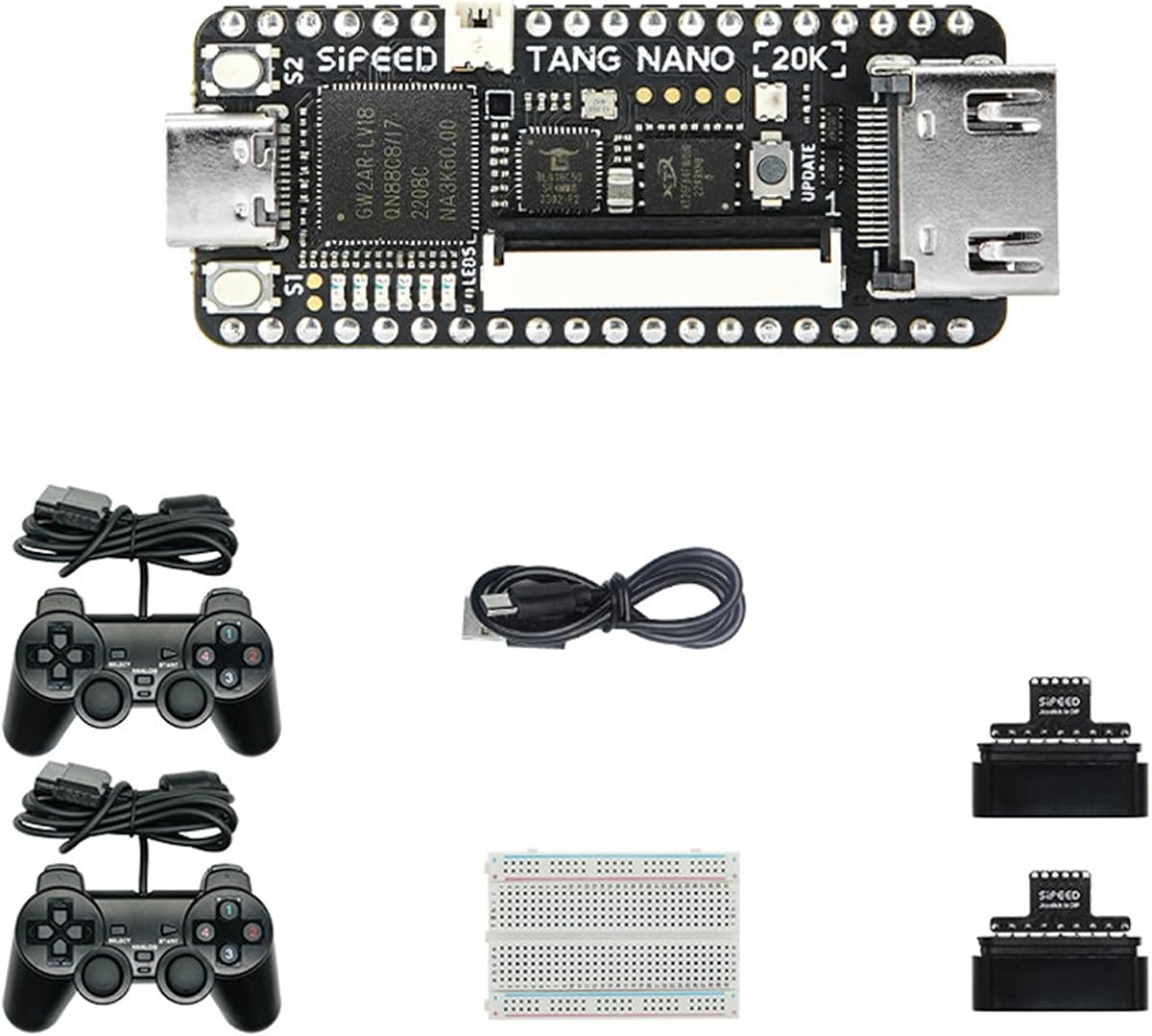
The Sipeed Tang Nano Kit offers a complete package for users eager to start with FPGA retro gaming. It includes the development board along with accessories needed to power and interface with the device. The 20K LUT4 chip provides adequate resources for many classic game systems while maintaining low power requirements.
We may earn a commission when you buy through this link, at no additional cost to you.
Running an open source RISCV Linux operating system enables a wide range of software capabilities. Users can install emulators and media players to turn the board into a versatile entertainment hub. The HDMI port ensures that the device can connect to any standard modern display for a clear viewing experience.
The kit simplifies the initial setup by including necessary cables and documentation. This reduces the guesswork often involved in sourcing compatible power supplies and peripherals. Community wikis provide step-by-step guides to help users get their first games running quickly.
This product is well suited for beginners who want a hassle free introduction to FPGA gaming. It provides a solid foundation for learning and experimentation. We recommend it for anyone seeking a reliable and affordable way to explore retro console technology.
The inclusion of essential accessories in the kit saves time and effort for new users setting up their first system.
Open source support means users can benefit from constant updates and improvements contributed by a global developer community.
We may earn a commission when you buy through this link, at no additional cost to you.
The Sipeed Tang Nano 20K single board computer is designed to support multiple display outputs making it versatile for various setups. It includes the GW2AR-18 FPGA chip which handles logic processing efficiently. The onboard BL616 debugger facilitates easier programming and troubleshooting for developers building custom cores.
We may earn a commission when you buy through this link, at no additional cost to you.
Linux support on this device opens up numerous possibilities for software integration. Users can run desktop environments or specialized gaming interfaces depending on their needs. The ability to connect both HDMI and RGB screens allows for unique multi display configurations or retro CRT connections.
While the hardware is capable users must provide their own storage media for game files. This is a common trade-off for flexibility in such development boards. The process of loading cores requires technical know-how but comprehensive guides are available to assist.
This board is ideal for developers who need to test multiple display configurations or integrate visual outputs into larger projects. It offers a balance of performance and connectivity. We recommend it for users focused on display technology or software development.
Support for multiple display standards allows users to test their projects on both modern and vintage screens easily.
The integrated debugger reduces dependency on external tools and speeds up the development cycle for new FPGA designs.
We may earn a commission when you buy through this link, at no additional cost to you.
The Arduboy FX-C is a compact handheld that combines retro gaming with educational coding features. It ships with over 300 classic 8-bit games preloaded which ensures immediate entertainment upon unboxing. Its credit card size design makes it the perfect companion for travel or storage in a wallet.
We may earn a commission when you buy through this link, at no additional cost to you.
This device is more than just a player it serves as a gateway to STEM education. Users can write and compile their own games using C++ and the Arduino IDE. This fosters creativity and technical skills while maintaining a fun gaming experience.
Connectivity features include USB-C which supports multiplayer linking between two units for head-to-head action. The battery life is strong allowing for extended play sessions without interruption. Despite its small form factor the build quality is durable and reliable.
This console is best for students and casual gamers who want to learn coding or carry a massive game library anywhere. It is not designed for complex 32-bit emulation but excels at its niche. We recommend it for those seeking a unique and educational handheld device.
The ability to program custom games turns the console into a learning tool that inspires technical creativity and logic skills.
The slim profile and sturdy construction ensure the device survives daily use and fits easily in pockets or bags.
We may earn a commission when you buy through this link, at no additional cost to you.
The Trimui Brick Pro focuses on delivering a high-quality visual experience in a handheld form factor. It features a 3.95-inch IPS screen with full viewing angles and OCA lamination for a sharp display. The resolution of 1024×768 provides excellent clarity for retro and modern games alike.
We may earn a commission when you buy through this link, at no additional cost to you.
Powered by an upgraded Allwinner A133P chip this console handles emulation tasks with ease. The inclusion of dual Hall effect joysticks offers precise analog control that resists the drift issues common in cheaper controllers. These hardware choices enhance the overall quality of gameplay.
While the device does not come with a memory card users can easily add their own to expand game libraries. The battery capacity is large supporting several hours of continuous play. Fast charging capabilities ensure downtime between sessions is minimized.
This console is recommended for gamers who prioritize screen quality and controller precision. It is a solid choice for those who already have storage solutions or want to choose their own. We suggest it for users seeking a robust and visually impressive handheld.
The large IPS panel delivers vibrant colors and deep blacks making it ideal for detailed retro titles.
Hall effect joysticks provide a durable and precise input experience that improves gameplay accuracy.
We may earn a commission when you buy through this link, at no additional cost to you.
The RG40XXV is a handheld device that runs a Linux system optimized for gaming. It includes a selection of preloaded games allowing users to start playing immediately without complex setup. This approach appeals to those who prefer a ready-to-use solution over custom configuration.
We may earn a commission when you buy through this link, at no additional cost to you.
The Linux base provides a degree of flexibility for users who wish to modify the interface or add new emulators. It balances stability with the ability to expand functionality as needed. The build quality is reliable and the device is lightweight for portable gaming.
Customer reviews highlight the ease of use and the quality of the included games. The system supports various file formats making it versatile for different game types. While advanced customization may be challenging for beginners the default setup is robust.
This console is best for users who want a straightforward gaming experience with the option to tinker later. It is a strong choice for those seeking a complete package. We recommend it for casual players who value convenience and reliability.
Preloaded games remove the barrier to entry allowing users to enjoy nostalgia immediately after unboxing.
The Linux foundation provides a stable platform that can be adapted to suit individual preferences over time.
We may earn a commission when you buy through this link, at no additional cost to you.
The TRIMUI Brick PRO is a retro handheld designed for users who want full control over their gaming library. It runs an open-source Linux system that enables deep customization of the interface and features. The display is a standout with a fully laminated 1024×768 IPS panel for vivid visuals.
We may earn a commission when you buy through this link, at no additional cost to you.
Hardware features include dual USB Type-C ports which support charging and external peripherals simultaneously. The device supports large TF cards allowing for massive game libraries to be stored locally. Internal storage is provided to run the system effectively without needing external drives.
Because games are not pre-installed users must source their own ROMs to play. This offers complete freedom but requires some initial effort to set up. The high build quality and advanced controls like Hall effect joysticks enhance the premium feel of the device.
This console is ideal for collectors and enthusiasts who manage their own game libraries. It provides the tools needed to create a personalized gaming experience. We recommend it for those who value high-resolution screens and open-source flexibility.
The fully laminated screen reduces glare and improves contrast for a superior viewing experience in any lighting.
Support for up to 1TB cards ensures you can carry your entire game history without worrying about space.
We may earn a commission when you buy through this link, at no additional cost to you.
The Sipeed Tang Console 138K is a versatile development board that supports high-end FPGA retro gaming. Its 138K LUT4 chip and integrated RISC-V hardcore allow for complex emulation and software integration. HDMI output ensures compatibility with modern displays for a high-quality viewing experience.
We may earn a commission when you buy through this link, at no additional cost to you.
Dual PMOD interfaces and USB 3.0 support provide ample connectivity for peripherals and expansion modules. The device is designed to be fanless which contributes to a quiet operating environment. This makes it suitable for living room setups where noise is a concern.
Users can utilize the board for both retro gaming and custom FPGA projects. The flexibility to run own designs makes it a powerful tool for engineers and hobbyists. Documentation is available to assist with the initial configuration and core loading process.
This kit is recommended for those who want a high-performance board for diverse projects. It offers a balance of power and quiet operation. We suggest it for advanced users seeking a reliable and adaptable platform.
The inclusion of a RISC-V hardcore expands the board's capabilities beyond simple FPGA logic into full computing tasks.
Fanless design ensures the device runs quietly making it ideal for use in home theaters or quiet rooms.
We may earn a commission when you buy through this link, at no additional cost to you.
Selecting the right FPGA retro console requires understanding hardware capabilities and your specific use case. This guide outlines key factors to consider before making a purchase.
Logic cell capacity determines how many emulator cores can run simultaneously. Higher counts like 138K allow for complex systems whereas lower counts are sufficient for simpler 8-bit games.
Choose higher capacity if you plan to run advanced cores or multitask.
Look for HDMI or RGB outputs to connect to your preferred display. USB ports are essential for controllers and data transfer.
Ensure the board has enough USB ports for your controller setup.
FPGA consoles rely on emulator cores which must be loaded via software. Check for Linux support or dedicated tools that simplify this process.
Prioritize platforms with active communities for easier setup.
Ports like PMOD allow for adding peripherals like Wi-Fi or custom inputs. This is critical for users who want to modify their device.
Verify if the board has open headers for future upgrades.
Processor speed impacts how well the console runs demanding games. Faster chips reduce lag and ensure smooth frame rates.
Look for boards with high-speed clocks for consistent performance.
Different consoles support different video standards. Confirm that the device supports your TV resolution or CRT compatibility.
Select HDMI for modern setups or RGB for retro screens.
Some boards require external SD cards to store game files. Ensure there is a microSD slot or built-in storage.
Check the supported card size before purchasing games.
Evaluate how easy the device is to operate and configure. Development boards may require technical skills while handhelds are plug-and-play.
Choose a handheld if you prefer simplicity.
Begin by connecting the device to a display using HDMI or the specific output port. Ensure the power supply is compatible with the console voltage requirements.
Download the necessary emulator cores and load them into the board memory using the provided tools. Follow the manufacturer guide for flashing procedures.
Store the device in a cool dry place and avoid extreme temperatures to preserve hardware longevity. Clean the ports with compressed air to prevent dust buildup.
FPGA consoles use hardware to mimic original systems resulting in lower latency and more accurate visuals. Traditional emulators run on software which may introduce lag or compatibility issues.
Basic setups are possible without coding but advanced customization requires some technical knowledge. Many devices now offer user-friendly tools to simplify the process.
Most FPGA retro consoles focus on classic systems like NES or GBA. Running modern games requires significantly more power which these boards typically do not provide.
Most boards support USB controllers or Bluetooth adapters. Handhelds often come with built-in buttons or support for external gamepads via USB.
Many cores are open source and free available through community wikis. Some specific proprietary cores may require licensing or specific permissions.
Modern HDMI consoles work with any standard TV. Older models might require specific RGB inputs which are best used with retro monitors.
The Sipeed Tang Console 138K and Arduboy FX-C offer distinct paths for hobbyists and casual gamers respectively. Both provide high value depending on your technical expertise and gaming goals.
Prioritize logic capacity and display output when selecting a board for home setups. For portable needs consider handhelds with long battery life and solid screens.
Always verify the latest software support and community activity before purchasing. Prices and availability may fluctuate so checking current listings is recommended.