
Audio Effects Processor, 24 Bit Digital Signal Rackmount Unit
5.0Editor score
24 bit digital processing
199 preset effects
Standard 19 inch rackmount
Discover the top hardware reverb units for 2026. This guide compares analog, digital, and pedal-based models for studio and live sound.
Hardware reverb units remain essential for musicians seeking authentic spatial effects. These devices enhance recordings and live performances with depth and atmosphere without relying solely on plugins.
We evaluated ten leading models based on sound quality, versatility, build reliability, and user feedback. Each unit offers unique processing methods tailored to specific musical contexts and workflow needs.
This guide presents detailed reviews and comparisons to help you select the right unit. Prices and availability may fluctuate, so verify current details before making your final purchase decision.
5.0Editor score

4.9Editor score

4.8Editor score
The following table provides a side by side comparison of all ten hardware reverb units featured in this guide. Each entry highlights key specifications and direct links for further exploration.




This pedal leads our list with top ratings and powerful features. It offers digital stereo processing that delivers rich, immersive sounds for any setting.
We may earn a commission when you buy through this link, at no additional cost to you.
The blueSky V2 includes shimmer controls and modulation switches that let you shape tails dynamically. Pre-delay options add depth without muddying the mix.
While it lacks an expression jack, most users find the dedicated knobs sufficient. The price point is competitive for such high fidelity processing power.
Ideal for guitarists needing reliable stereo reverb, this unit stands out. It balances ease of use with professional sound design capabilities effectively.
Modulation switches allow you to add movement to your reverb tails for unique textures.
Stereo outputs ensure wide, clear soundscapes that enhance any mix or performance.
We may earn a commission when you buy through this link, at no additional cost to you.
This rackmount unit provides exceptional value with 24 bit processing and nearly 200 presets. It is ideal for studios or live setups needing robust effects.
We may earn a commission when you buy through this link, at no additional cost to you.
The dual channel design allows flexible routing for complex signal paths. Adjustable controls let you fine tune decay and delay to match your needs.
While editing is limited compared to desktop software, the speed and reliability are strong. The metal construction withstands touring demands well over time.
For budget conscious users needing professional grade processing, this unit is a top choice. It bridges the gap between affordable and reliable audio gear.
Dual channels enable simultaneous effects on separate sources for layered sound designs.
Standard 19 inch chassis fits most racks and resists wear during transport.
We may earn a commission when you buy through this link, at no additional cost to you.
The BigSky is known for its multidimensional reverb engine that creates vast sonic landscapes. It offers deep control for players who want precise tail shaping.
We may earn a commission when you buy through this link, at no additional cost to you.
Its extensive algorithms cover everything from rooms to complex ambient textures. The stereo outputs provide wide imaging that fills the mix beautifully.
Menu navigation can be dense at first, but the flexibility is unmatched. This premium unit justifies its cost with sound quality that professional engineers trust.
For those seeking ultimate versatility and tone, the BigSky remains a benchmark. It delivers rich, complex reverb that stands out in any recording.
Unique algorithms let you blend multiple reverb types for custom ambient effects.
Dual outputs ensure wide, balanced sound that enhances spatial depth in mixes.
We may earn a commission when you buy through this link, at no additional cost to you.
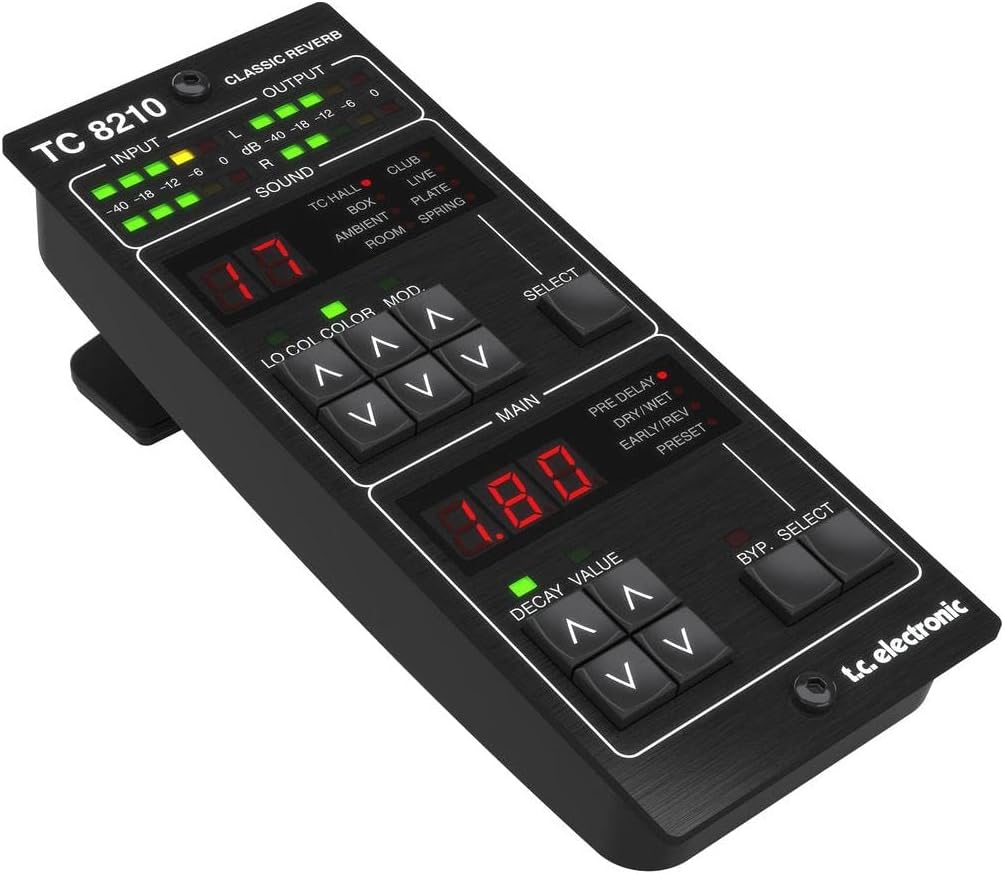
This plug-in brings classic TC reverb into your DAW with optional physical control. It offers huge variety and signature presets from favorite artists for quick starts.
We may earn a commission when you buy through this link, at no additional cost to you.
The dedicated interface provides hands-on control for mixing workflows. Sound quality preserves natural characteristics of your original sources accurately.
While it relies on software, the desktop interface simplifies parameter tweaking. The signature presets are especially useful for producers seeking proven sounds.
If you want classic reverb in a plugin format, this is a top pick. It blends analog heritage with modern convenience effectively.
Authentic emulation of legendary studio reverbs for professional vocal and drum processing.
Custom built presets from top artists help you find great sounds faster.
We may earn a commission when you buy through this link, at no additional cost to you.
This module brings authentic dual spring reverb into Eurorack setups. It delivers the classic analog sound that digital units struggle to replicate perfectly.
We may earn a commission when you buy through this link, at no additional cost to you.
The dual spring design adds complexity to your patches. Mute footswitches help manage noise during silent sections of a performance.
As a module, it requires a power supply and case. But for analog purists, the warmth and organic movement are worth the setup.
If you need genuine spring character in a modular system, this is ideal. It captures the vintage vibe that defines many genres.
Two springs create richer, more complex echoes than standard single spring units.
Standard 72HP size fits easily into most modular synthesizer cases.
We may earn a commission when you buy through this link, at no additional cost to you.
The Donner Verb Square offers seven essential reverb modes in a compact pedal. It is designed for guitarists needing reliable sound on a board.
We may earn a commission when you buy through this link, at no additional cost to you.
True bypass ensures your tone stays clean when the pedal is off. The aluminium alloy casing protects it from drops and heavy use.
While it lacks advanced features, the core reverb tones are solid. It is a great starting point for those building their first effects setup.
For players seeking simple, durable reverb, this unit fits the bill. It delivers consistent performance without complicated menus.
Transparent signal path preserves your original tone when effects are inactive.
Small size frees up space on crowded pedalboards for other essential effects.
We may earn a commission when you buy through this link, at no additional cost to you.
This pedal features twenty four studio quality algorithms including classic and ambient sounds. It is built for players who want pristine, detailed reverb tails.
We may earn a commission when you buy through this link, at no additional cost to you.
Tap functions allow you to sync reverb time with your track easily. The interface is straightforward despite the depth of available options.
While pricey, the sound quality justifies the investment. It stands out for clarity and depth in live mixes and recordings.
If you value algorithm variety and clean output, this is a strong choice. It offers a boutique experience that is widely respected.
Twenty four distinct modes let you find perfect reverb for any instrument.
Sync reverb to your tempo for rhythmic effects that lock in with drums.
We may earn a commission when you buy through this link, at no additional cost to you.
The R1 MKII rebuilds its programs for vast tonal improvement. New features like ducking and swelling add dynamic control over your sound.
We may earn a commission when you buy through this link, at no additional cost to you.
You get one hundred and twenty eight presets accessible via the menu. Feedback EQ control helps shape how the reverb interacts with your tone.
Navigation requires menu use, which can slow quick changes. But the sound depth and modern features make it worth the effort for many.
For players wanting modern control and tone, this pedal is excellent. It balances classic warmth with contemporary flexibility.
Ducking feature reduces reverb level during active notes for clearer mixes.
Shape the frequency content of feedback loops to prevent harshness.
We may earn a commission when you buy through this link, at no additional cost to you.
This pedal emulates the classic mid-seventies Japanese ambience device with exacting detail. It models the tape mechanism and preamp section faithfully.
We may earn a commission when you buy through this link, at no additional cost to you.
USB type C updates keep the unit current with new oscillation sounds. Silent switching and spillover ensure smooth transitions during performances.
It requires an external power supply and app for deep tweaks. The authentic vintage character, however, is difficult to find elsewhere.
If you seek authentic tape echo and reverb in a pedal, this fits. It brings classic studio warmth to modern stages.
Full modeling of classic delay heads ensures realistic, vintage delay artifacts.
No clicks or pops during bypass keeps your signal clean and professional.
We may earn a commission when you buy through this link, at no additional cost to you.
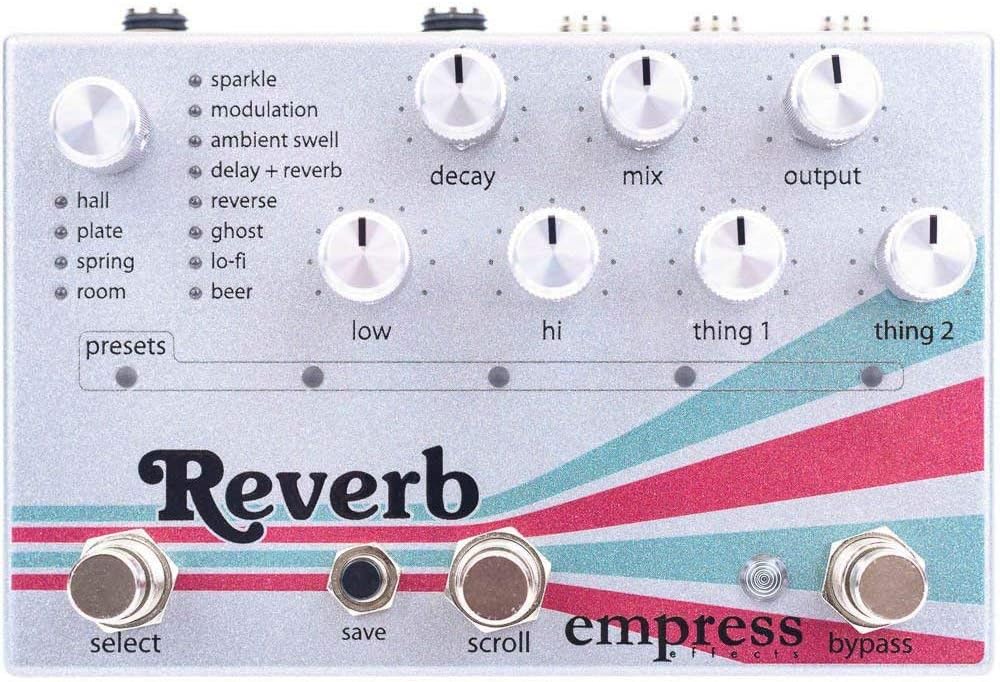
Made in Kansas City, this unit offers versatility from small rooms to endless washes. EQ and pre-delay knobs let you fine tune the texture.
We may earn a commission when you buy through this link, at no additional cost to you.
The pre-delay knob helps explore effects from slapback to spacey spring sounds. EQ allows you to shape brightness or darkness easily.
With only three main controls, it is simple to use. This simplicity ensures quick setup without compromising on tone quality.
For players who want US built quality and simple control, this is great. It delivers versatile reverberation that suits many genres.
EQ knobs let you brighten or darken the reverb to sit perfectly in a mix.
Pre-delay separates dry signal from reverb to keep clarity intact.
We may earn a commission when you buy through this link, at no additional cost to you.
Choosing the right hardware reverb unit depends on your specific needs and environment. This guide outlines key factors to consider before making your purchase.
Different units offer analog spring, digital plate, or algorithmic reverbs. Spring units feel organic while digital models provide vast versatility.
Choose a type that matches your desired sonic character and genre.
Stereo units create wider soundscapes compared to mono. This is critical for live performances or stereo mixes.
If you need width, prioritize units with dual outputs.
Look for intuitive knobs or menu systems based on your workflow. Some units offer tap tempo or external control options.
Ensure the interface matches your need for precision or speed.
Metal enclosures and sturdy switches are vital for live touring. Rackmount units should fit standard 19 inch frames.
Invest in durable construction to withstand frequent transport.
More algorithms mean broader sonic options. Units with presets can speed up your setup time.
Check the number of available algorithms to match your diversity needs.
Ensure inputs and outputs match your gear. USB or MIDI support adds future proofing for updates.
Verify connection types to avoid incompatibility.
Start by connecting input and outputs properly. Use balanced cables where possible to reduce noise in long runs.
Adjust reverb decay and mix levels carefully. Too much can muddy your mix, so balance is key.
Store units in cool dry places. Avoid dropping or exposing them to moisture to ensure longevity.
Analog units use physical components like springs to create echoes, offering a warm, organic tone. Digital units use algorithms to simulate spaces, providing more versatility and control.
Most units require external power. Always check the voltage and polarity requirements in the manual to avoid damage.
Some advanced models support MIDI for preset changes. This helps automate sounds during live sets without touching knobs.
Hardware units often have tactile controls and lower latency. They also reduce CPU load on your computer during mixing.
Use high quality cables and shielded power supplies. Proper gain staging also keeps noise floors lower in your signal chain.
Yes, many units excel at drum processing. Choose algorithms that preserve transient punch while adding depth.
The ten units reviewed offer diverse solutions for any musician. From budget rackmounts to premium pedals, each brings unique strengths.
Prioritize features like stereo outputs and build quality that match your workflow. Sound should remain your top priority above price.
Prices change frequently so verify current deals before buying. Use this guide to narrow your options based on your specific needs.