
Windows 11 Laptop with i3 Processor 15.6" Work Laptop for College Students
4.5Editor score
Intel Core i3 processor with 12GB RAM
15.6-inch Full HD anti-glare display
Up to 7 hours mixed-use battery life
Choosing the right laptop is a critical decision for engineering students who need reliable tools for complex simulations and coding. A good machine must balance performance with portability to handle demanding software while fitting into a busy campus schedule. Understanding key specifications helps you invest wisely in technology that supports your academic goals effectively.
We compared ten real products based on processor power, memory capacity, storage speed, and overall build quality. Our analysis focuses on how each device handles multitasking, specialized engineering applications, and daily productivity tasks. We also evaluated battery life and connectivity options to ensure these laptops meet the rigorous demands of modern engineering curricula.
Each pick below highlights specific strengths like processing speed, screen clarity, or port selection to match different student needs. Please note that availability and pricing can change frequently on online marketplaces so verify details before purchasing. This guide aims to simplify your decision-making process with clear, factual information about every option listed.
4.5Editor score

4.6Editor score

4.6Editor score
As an Amazon Associate we earn from qualifying purchases.
This side-by-side comparison overview all ten laptops to help you quickly identify the right fit for your engineering studies. Each entry lists key specifications like processor type, memory, and storage to highlight differences in performance and capability across the range of options available.


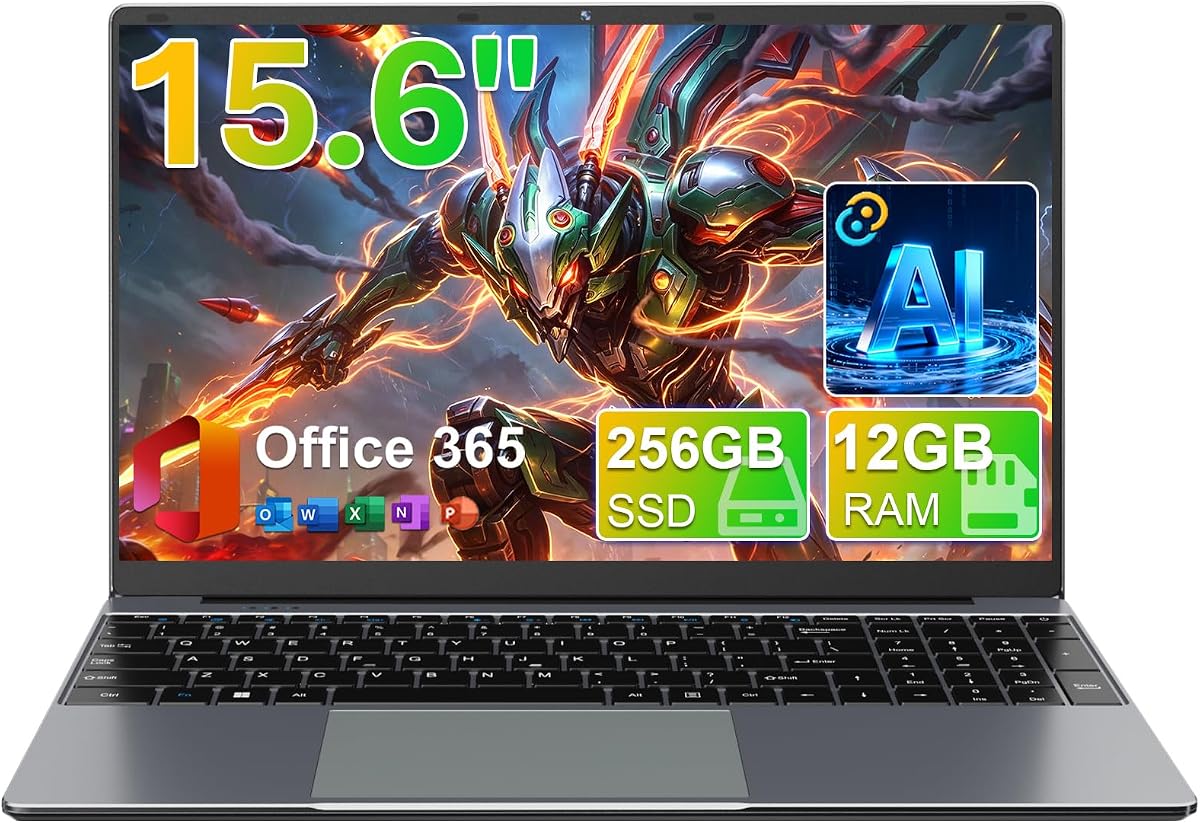


This laptop offers a practical solution for engineering students seeking an affordable entry-level device with decent performance. It carries a 4.5-star rating from users who appreciate its balance of price and utility. The 12GB RAM allows for multiple browser tabs and coding environments to run simultaneously without significant lag.
We may earn a commission when you buy through this link, at no additional cost to you.
The Intel Core i3 processor handles standard office tasks and light programming efficiently. Its 15.6-inch Full HD display provides clear visuals for reading technical documents and viewing diagrams. Connectivity options include WiFi 6 and Bluetooth 5.2 ensuring stable connections during online lectures and research sessions.
While the processor is not ideal for intensive 3D rendering or heavy simulation work, it suffices for general coursework and data analysis. The 256GB SSD offers fast boot times but may require external storage for large project files. The battery life supports a typical day of classes without immediate need for a charger.
Ideal for students who prioritize portability and cost over high-end graphical performance. This device is recommended for those beginning their engineering journey who need a reliable machine for note-taking, writing reports, and running basic engineering software applications effectively.
The Intel Core i3 processor paired with 12GB RAM ensures that everyday tasks like web browsing and document editing run smoothly.
Weighing only 3.6 pounds and measuring 19.5mm thin this laptop fits easily into a backpack for travel between classes.
We may earn a commission when you buy through this link, at no additional cost to you.
This HP model provides a solid all-around experience for students needing reliable hardware for daily academic work. It holds a 4.4-star rating reflecting user satisfaction with its build and performance. The Intel Processor N150 delivers capable speed for multitasking between applications and web services.
We may earn a commission when you buy through this link, at no additional cost to you.
With 8GB of RAM the system manages essential business and study applications efficiently. The included Microsoft 365 subscription adds immediate value for creating reports and presentations. The 11-hour battery life ensures you can work through long study sessions without hunting for power outlets on campus.
The compact 14-inch form factor makes it easy to carry in a bag between lectures. However the 128GB storage might fill quickly with large engineering files so external drives are recommended. The display offers clear visuals for reading text though it may not be ideal for detailed graphical design work.
This laptop is well-suited for students who need a dependable tool for general computing and communication. It serves well for online classes, email, and document processing while maintaining a light footprint for daily transport.
The battery supports up to 11 hours of video playback allowing students to work through classes without constant charging.
A complimentary one-year subscription to Microsoft 365 provides immediate access to Word Excel and PowerPoint for projects.
We may earn a commission when you buy through this link, at no additional cost to you.
This laptop stands out for its generous memory and storage configuration at an affordable price point. It has a 4.2-star rating from users who value its capability to handle multiple tasks. The 16GB of RAM allows for significant multitasking which is useful when running several applications during study sessions.
We may earn a commission when you buy through this link, at no additional cost to you.
Storage is handled through a unique combination of internal eMMC and an external docking station providing ample space for files. The included Office 365 subscription ensures productivity tools are ready from day one. Windows 11 Home offers a familiar interface for students transitioning from high school devices.
While the Celeron processor is not designed for heavy engineering software it handles web browsing and document editing well. The display resolution is standard HD which is sufficient for text but may lack sharpness for detailed visual work. The docking station adds flexibility for connecting peripherals and expanding storage further.
This option is best for students who need plenty of memory and storage without spending much on processing power. It supports general academic work and light media consumption while providing essential connectivity options for external devices and peripherals.
The 16GB DDR4 RAM provides ample bandwidth for running multiple applications seamlessly without slowing down performance.
Storage combines a fast internal drive with a docking station set to let you access and store digital files easily.
We may earn a commission when you buy through this link, at no additional cost to you.
The HP 2026 Essential Laptop focuses on providing basic computing needs for students on a budget. It has earned a 4.4-star rating for its reliability in daily tasks. The Intel N150 processor ensures responsive performance for web browsing and light productivity applications.
We may earn a commission when you buy through this link, at no additional cost to you.
Weighing just 3.24 pounds it is easy to carry in a backpack across campus. The anti-glare display helps reduce eye strain during long study sessions. Connectivity includes modern Wi-Fi 6 and Bluetooth 5.4 for seamless pairing with peripherals like mice and headphones.
The device comes pre-installed with Windows 11 Home and a one-year Microsoft 365 Personal subscription. Copilot AI integration offers additional assistance for writing and research tasks. Battery life supports up to 11 hours of video playback ensuring you can work through a full day without interruption.
This laptop is a strong choice for students who prioritize portability and essential features over high performance. It is suitable for note-taking, online classes, and general coursework where heavy processing power is not a primary requirement.
With compact dimensions and a weight of 3.24 pounds this laptop fits easily in backpacks and bags for travel.
Microsoft Copilot integration provides AI-powered assistance accessible with a dedicated key for content creation and research.
We may earn a commission when you buy through this link, at no additional cost to you.
This laptop offers a flexible viewing experience with a hinge that opens flat to 180 degrees for presentations. It holds a 4.6-star rating indicating strong user satisfaction with its design and utility. The 15.6-inch Full HD IPS display provides rich colors and clear details for viewing content.
We may earn a commission when you buy through this link, at no additional cost to you.
Powered by a Celeron J4105 quad-core processor with 12GB RAM it handles basic multitasking efficiently. The built-in AI assistant helps simplify daily tasks like chatting and writing which can save valuable time during study sessions. The 7000mAh battery supports work and entertainment without frequent charging needs.
Connectivity includes standard USB and HDMI ports allowing you to connect external devices easily. The narrow bezels maximize usable screen space which is beneficial for reading technical documents and diagrams. Storage can be expanded via SSD or TF card to accommodate growing project files.
Ideal for students who need a collaborative tool for group projects and presentations. The combination of a flexible screen and decent RAM makes it a versatile choice for general academic and creative tasks.
The hinge opens flat to 180 degrees allowing you to adjust the screen for team collaboration or ideal viewing positions.
The built-in AI assists with chatting writing reading and meetings simplifying daily tasks and saving you valuable time.
We may earn a commission when you buy through this link, at no additional cost to you.
This model targets students and professionals needing reliable computing with modern AI features. It carries a 4.3-star rating for its consistent performance in everyday tasks. The Intel N150 processor paired with LPDDR5 memory ensures quick system responsiveness and efficient battery use.
We may earn a commission when you buy through this link, at no additional cost to you.
The design focuses on portability with a 3.24 lb weight and compact dimensions. Connectivity is comprehensive including USB-C with DisplayPort support and HDMI for external displays. The included Microsoft Copilot and Office 365 subscription enhance productivity for writing and organizing data.
Battery life supports up to 11 hours of video playback making it suitable for long study days. The micro-edge display maximizes screen real estate in a small form factor which helps during travel. Dual speakers provide clear audio for video calls and media consumption.
This laptop is recommended for students who need a lightweight device with strong connectivity for collaboration. It serves well for remote work and general coursework where portability is a key priority over high computational power.
Versatile ports include USB-C with DisplayPort support for seamless connection to monitors and projectors.
Pre-installed with Copilot AI and Microsoft 365 for enhanced interface and AI-powered assistance.
We may earn a commission when you buy through this link, at no additional cost to you.
This Lenovo laptop delivers high-end performance ideal for demanding engineering simulations and software. It holds a 4.6-star rating reflecting its capability to handle complex workloads. The Intel Core i7-13620H processor with 10 cores provides exceptional multitasking power for rendering and coding.
We may earn a commission when you buy through this link, at no additional cost to you.
With 24GB of dual-channel DDR4 RAM and a 1TB PCIe 4.0 NVMe SSD you get lightning-fast boot times and file access. The build quality is reinforced with MIL-STD-810H military-grade testing for reliability in various environments. Connectivity includes WiFi 6 Ethernet and multiple USB-C ports for peripherals.
The display offers clear visuals for technical work while the Dolby Audio speakers enhance the media experience. Security features like TPM 2.0 protect sensitive project data during campus use. The bundled expansion hub adds further connectivity for external monitors and storage.
This device is best for advanced engineering students who need robust hardware for specialized applications. It balances power with durability making it a strong investment for those serious about their technical coursework and projects.
The 13th Gen i7 processor reaches up to 4.9GHz for demanding applications and seamless productivity workflows.
24GB RAM ensures smooth multitasking while the 1TB NVMe SSD provides lightning-fast boot times and file access.
We may earn a commission when you buy through this link, at no additional cost to you.
This notebook offers a streamlined experience for students focused on basic computing tasks. It has a 4.4-star rating for its ease of use and battery efficiency. The Intel N150 processor handles web browsing and productivity applications with responsive performance.
We may earn a commission when you buy through this link, at no additional cost to you.
Weighing just 3.24 pounds it fits easily into backpacks for daily transport across campus. The micro-edge bezels maximize the viewing area on the compact 14-inch screen. Connectivity includes USB-C and HDMI for connecting to projectors and external monitors easily.
Video conferencing is supported by a 720p camera with noise reduction technology for clear communication. The battery provides up to 11 hours of video playback which covers most of a school day. Microsoft Copilot and 365 subscription come pre-installed to assist with writing and organization.
This laptop is a good fit for students who need a lightweight machine for note-taking and research. It provides essential features for online classes and document editing without unnecessary weight or cost.
The micro-edge bezels and anti-glare coating maximize viewing area and reduce eye strain during extended use.
HP True Vision camera with noise reduction and dual speakers deliver rich audio for video calls and entertainment.
We may earn a commission when you buy through this link, at no additional cost to you.
This Dell model provides a chic and efficient design for general computing needs. It carries a 4.3-star rating for its reliable performance and user-friendly features. The Intel Core i5 processor offers capable speed for everyday tasks and productivity applications.
We may earn a commission when you buy through this link, at no additional cost to you.
The display includes ComfortView software to reduce harmful blue light emissions for comfortable extended viewing. Ergonomic lifted hinges provide a comfortable typing angle for wrists during long study sessions. The design includes a separate numeric keypad for efficient data entry and calculations.
Dell offers a one-year onsite service so support can visit your home or office if an issue arises. The battery is energy-efficient to extend focus and productivity without constant recharging. The build supports a balance of style and function for students and home users.
Ideal for students who appreciate a professional look and reliable service support. This laptop is suitable for coursework requiring steady performance and visual comfort during long hours of screen use.
Dell ComfortView software helps reduce harmful blue light emissions to keep your eyes comfortable over extended viewing times.
Lifted hinges provide an ergonomic typing angle to keep your wrists comfortable while writing and calculating.
We may earn a commission when you buy through this link, at no additional cost to you.
This large-screen laptop offers ample workspace for complex engineering software and data visualization. It holds a 4.6-star rating for its professional-grade features and powerful performance. The AMD Ryzen 5 7430U processor handles multitasking and business applications smoothly throughout the day.
We may earn a commission when you buy through this link, at no additional cost to you.
The 17.3-inch Full HD IPS display provides crisp visuals with wide viewing angles which is ideal for spreadsheets and presentations. Windows 11 Pro includes enhanced security and management features for professional needs. Fast charge technology restores up to 50% battery in approximately 45 minutes for quick top-ups.
A full-size keyboard with numeric keypad supports efficient data entry for calculations and modeling. Connectivity includes USB-C and HDMI to support external monitors for a complete workstation setup. The design prioritizes performance and utility over portability making it a desktop replacement option.
This laptop is best for students who need a large screen for detailed work and do not move frequently. It provides a robust environment for running demanding applications and managing large datasets effectively.
The 17.3-inch Full HD IPS display delivers crisp visuals and wide viewing angles for spreadsheets and presentations.
Pre-installed with Windows 11 Pro for enhanced security productivity and professional-grade management features.
We may earn a commission when you buy through this link, at no additional cost to you.
Selecting the right laptop requires balancing performance with portability and budget to ensure you can handle engineering software and coursework effectively. Consider the following factors to find a device that matches your specific academic needs.
The processor is the brain of your laptop and determines how well it handles complex calculations and multitasking. For engineering tasks like CAD or simulation, a multi-core processor such as Intel Core i7 or AMD Ryzen 5 or higher is recommended to ensure smooth operation. Lower-end processors like Celeron or basic N-series may suffice for basic math and writing but can struggle with heavy software.
Look for at least a 4-core processor to manage multiple applications without slowdown. Higher clock speeds and thread counts will benefit rendering and data processing tasks significantly.
RAM allows your computer to run multiple programs at once which is crucial when you have research papers browser tabs and coding tools open simultaneously. 8GB is the minimum for comfortable multitasking but 16GB or more is ideal for engineering software that requires large memory footprints. Insufficient RAM can lead to lag and slow performance when switching between applications.
Prioritize 16GB of RAM if your budget allows to future-proof your device against increasingly demanding engineering programs.
Solid State Drives (SSD) provide faster boot times and file access compared to traditional hard drives making them essential for student productivity. Aim for at least 256GB of storage to accommodate operating systems and applications though 512GB or 1TB is better for storing large project files and media. External storage options are useful if internal capacity is limited.
Ensure your laptop has an SSD for speed and check if it supports expansion via SD cards or secondary slots for flexibility.
A clear display reduces eye strain during long study sessions and helps you read technical diagrams and code with precision. Full HD resolution (1920×1080) is standard and provides sharp text for reading and writing. IPS panels offer better color accuracy and viewing angles which are beneficial for graphic design or engineering visualization tasks.
Consider screen size based on portability needs with 14 to 15 inches being a sweet spot for balance between viewable area and travel convenience.
Engineering students often work in libraries or classrooms where access to power outlets may be limited throughout the day. Look for a laptop that offers at least 7 to 10 hours of battery life to last through classes and study sessions without needing a charger. Battery life varies by usage so check manufacturer estimates for video playback or mixed use.
Fast charging features are a valuable bonus that can give you hours of usage with a short charge between classes.
You will need to connect to projectors external monitors and various peripherals for your coursework so port selection matters significantly. Ensure the laptop has HDMI or USB-C with DisplayPort support for video output and multiple USB ports for mice and drives. WiFi 6 compatibility ensures stable internet connections for online classes and research.
Verify the presence of a headphone jack and SD card reader if you need to transfer data or listen to audio discreetly.
Windows is widely compatible with most engineering software and tools used in universities so it is a safe default choice for students. macOS is also an option if your coursework supports it but check compatibility with specialized engineering programs before purchasing. A reliable OS ensures security features and software updates are handled effectively.
Choose a version that supports your specific software requirements and offers necessary security updates for campus network compliance.
A laptop that survives the daily commute and campus life needs a sturdy build that can withstand minor bumps and wear. Look for materials like metal chassis or reinforced plastic that maintain integrity over time. MIL-STD testing or spill-resistant keyboards add extra assurance for reliability in student environments.
Durable construction protects your investment and ensures the device remains functional throughout your entire engineering program.
Keep your laptop clean by using a soft, lint-free cloth to wipe the screen and keyboard regularly. Avoid using harsh chemicals on the display to prevent coating damage. Store the device in a padded backpack to protect it from accidental drops during your commute.
Manage your battery health by avoiding constant plugging in once it reaches full charge if possible. Update your operating system and drivers regularly to maintain security and performance. Use sleep or hibernate modes instead of shutting down completely to preserve hardware efficiency.
Organize your files into clear folders to locate project data and documents easily when needed. Utilize cloud storage services for backup to prevent data loss in case of hardware failure. Close unused applications when working on heavy tasks to optimize system resources and speed.
For most engineering applications, a processor with a base speed of at least 2.5GHz and multiple cores is recommended. Intel Core i5 or i7 and AMD Ryzen 5 or 7 series provide the necessary power to handle simulations and coding without lag.
Yes, 16GB of RAM is generally sufficient for most engineering students to run multiple applications simultaneously. However, if you work with heavy virtual machines or 3D modeling, consider upgrading to 32GB if your laptop supports it.
A dedicated graphics card is beneficial for CAD and rendering work but integrated graphics may suffice for general coursework. Check your specific program requirements to determine if a discrete GPU is necessary for your studies.
A student laptop should ideally last at least 7 to 10 hours on a single charge to cover a full day of classes. This ensures you can attend lectures and study without needing a power outlet constantly.
Yes, many engineering programs support macOS but you must check compatibility with specialized software like AutoCAD or MATLAB. Some tools may require Windows via virtualization which adds complexity to the setup.
Essential ports include HDMI or USB-C for external displays, USB-A for peripherals, and an SD card reader for data transfer. Having these options simplifies connecting to projectors and transferring project files efficiently.
Windows 11 offers better security and features but Windows 10 is still supported for many engineering tools. Ensure the OS you choose meets your university's software compatibility requirements.
At least 512GB of storage is recommended to accommodate large software installations and project files comfortably. SSDs provide faster access to these files which helps maintain productivity during tight deadlines.
We have reviewed ten distinct options ranging from budget-friendly devices to powerful machines capable of handling complex engineering simulations. Each laptop brings unique strengths in terms of processing power, battery life, and portability to suit different student needs effectively. Whether you prioritize cost or performance there is a suitable choice on this list for your academic journey.
When deciding focus on the processor and RAM capacity as these determine how well your machine runs specialized software. Portability and battery life are equally important if you move frequently between classes and study spaces. Matching these features to your major requirements will ensure you get the most value from your investment.
Remember to verify current availability and details before purchasing as features may vary by region or update. This guide aims to provide a clear overview to help you navigate the market with confidence. Choosing the right laptop sets the foundation for a productive and successful engineering education experience.