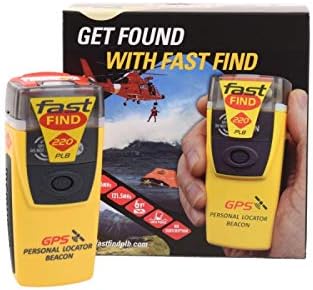
McMurdo FastFind 220 PLB
4.5Editor score
US Programming Included
Low Cost Entry
Simple One Button
This guide compares ten top locator beacons for hiking the PCT, evaluating satellite coverage, battery life, SOS features, and durability for backcountry
Embarking on the Pacific Crest Trail requires reliable safety gear. A personal locator beacon ensures emergency communication when cell service vanishes. Choosing the right device means weighing satellite networks, battery longevity, and ease of activation during critical moments.
We evaluated ten leading beacons and satellite communicators based on real-world reliability. Our analysis covers global coverage, return link services, and ruggedness against trail conditions. Each product offers unique strengths for different hiking styles and budgets.
Every selection includes detailed specifications and honest assessments of performance. We highlight key pros and cons to help you decide. Remember that prices fluctuate, so verify current deals before purchasing your essential safety device.
4.5Editor score

4.8Editor score

4.6Editor score
This table provides a side-by-side look at the ten top beacon and satellite devices available for PCT hikers in November 2026.


The ACR ResQLink View RLS PLB stands out as the top personal locator beacon for PCT hikers. It combines reliable GPS with Return Link Service, ensuring you know help is coming. With no subscription fees, it is a cost effective long term safety investment.
We may earn a commission when you buy through this link, at no additional cost to you.
Its compatibility with GPS, Galileo, and MEOSAR constellations ensures fast global coverage. The digital display confirms signal strength before activation, reducing user error. The built-in buoyancy and multifunction clip system make it versatile for various outdoor environments and pack attachment.
While it lacks two-way messaging capabilities found in satellite communicators, its primary role is emergency rescue. The battery life extends to five years, which is ideal for infrequent users. The infrared strobe helps rescuers locate you in low visibility conditions like dense forest or snow.
Hikers who prioritize pure emergency safety without ongoing costs should choose this device. It provides peace of mind knowing your signal reaches rescue authorities instantly. For the Pacific Crest Trail, this beacon offers a robust balance of performance and reliability.
This feature alerts the owner when Search and Rescue receives the distress signal, removing anxiety during an emergency wait.
A five-year battery means you can store it in your pack for years without frequent maintenance or replacements.
We may earn a commission when you buy through this link, at no additional cost to you.
The McMurdo FastFind 220 PLB offers an accessible entry point for hikers needing basic emergency protection. Pre-programmed for the US country code, it simplifies registration and ensures immediate contact with US authorities if activated. It functions globally, making it reliable for varied trail conditions.
We may earn a commission when you buy through this link, at no additional cost to you.
Its design focuses on simplicity: deploy the antenna, break the seal, and press the button. This straightforward operation is crucial during high-stress situations. The unit is rugged enough to withstand drops and weather, ensuring it works when needed most on the trail.
Lacking digital displays or two-way messaging, this beacon is strictly for distress signaling. However, that simplicity often translates to reliability. The price point makes it an excellent backup option or primary choice for budget-conscious adventurers who want essential safety without extra gadgets.
Choose this beacon if your priority is low cost and high reliability. It performs the core function of sending a distress signal effectively. For solo hikers on a budget, it provides critical protection without financial strain.
The one-button design eliminates confusion, ensuring you can activate the device quickly even with cold or wet hands.
Pre programming for the US country code removes initial setup barriers, letting you register faster before your trip starts.
We may earn a commission when you buy through this link, at no additional cost to you.
The Garmin inReach Mini 2 is a powerful satellite communicator that goes beyond simple SOS beacons. It enables two-way messaging, allowing you to coordinate rescues or update family members without needing cell service. This connectivity transforms it into a comprehensive safety tool for long distance hiking.
We may earn a commission when you buy through this link, at no additional cost to you.
Features like TracBack routing help you retrace your steps if you lose the trail. The digital compass works even when stationary, providing navigation aid in dense cover. Battery life reaches up to 14 days in tracking mode, supporting multi-week PCT sections without heavy charging burdens.
The primary trade-off is the mandatory satellite subscription, which adds to the total cost of ownership. However, the flexibility of sending emails or texts offers immense value for group coordination. It effectively bridges the gap between a locator beacon and a personal router.
Ideal for hikers who want regular contact with home and advanced navigation tools, this device justifies its premium price. It offers superior versatility for remote travel. For the Pacific Crest Trail, it provides confidence through constant connectivity.
Send and receive text messages globally, keeping loved ones informed of your progress or coordinating complex logistics from the backcountry.
Sync maps and courses with the Garmin Explore app, ensuring you can access digital topography offline without relying solely on paper maps.
We may earn a commission when you buy through this link, at no additional cost to you.
The ACR ResQLink View PLB425 is a robust personal locator beacon designed for diverse outdoor environments. Its buoyant design ensures it floats if dropped in water, a critical feature for hikers crossing streams or lakes on the PCT. It uses standard 406 MHz distress signals for reliable global rescue coordination.
We may earn a commission when you buy through this link, at no additional cost to you.
Visual signals are enhanced by both LED and infrared strobe lights, aiding nighttime or low-visibility rescues. The unit is rugged and includes various attachment clips, making it easy to secure to a belt or pack. It sends GPS positions directly to rescue forces without subscription fees.
While it lacks the Return Link Service of newer models, its core functionality remains highly reliable. The weight is slightly higher than some competitors, but the durability justifies it. It serves as a solid choice for hikers prioritizing physical toughness over smart features.
Choose this beacon if you expect harsh conditions and need a durable device. It provides consistent emergency support without ongoing costs. For water crossings and rugged trails, its buoyancy adds a distinct layer of safety for your journey.
If you fall into a stream or lake, the beacon floats, preventing loss of your safety device during unexpected water hazards.
Multiple strobe lights ensure rescuers can see you visually, complementing the radio signal for faster location in dark areas.
We may earn a commission when you buy through this link, at no additional cost to you.
The ZOLEO Satellite Communicator bridges the gap between cell phones and dedicated beacons. It connects to your smartphone to send messages over cellular, Wi-Fi, or the Iridium network, automatically switching to the lowest-cost connection available. This flexibility helps manage costs while maintaining connectivity in remote areas.
We may earn a commission when you buy through this link, at no additional cost to you.
Its battery life extends over 200 hours, offering extended utility for long trips without charging. The device is IP68 rated, ensuring resistance to dust and water immersion. It allows unlimited check-ins and weather forecasts, keeping you informed and safe during your hike.
While it requires a service plan, the monthly rates are competitive compared to other satellite devices. The dedicated SMS number lets contacts reach you directly, simplifying communication. It is a strong contender for hikers who want regular updates without carrying a bulky communicator.
For those seeking a balance of cost, durability, and messaging, ZOLEO is an excellent choice. It supports safe hiking through consistent contact and weather awareness. This device fits well into a modern hiker's safety kit for the PCT.
Use your existing phone for messaging, avoiding the need for a separate display interface while keeping your pack weight low.
Automatic switching between cellular, Wi-Fi, and satellite networks optimizes for cost and signal strength wherever you are.
We may earn a commission when you buy through this link, at no additional cost to you.
The Ocean Signal rescueME PLB1 is one of the most compact beacons available. It is 30% smaller than many competitors, weighing just 4 oz. This makes it ideal for ultralight hikers who want safety gear without adding bulk to their pack on the Pacific Crest Trail.
We may earn a commission when you buy through this link, at no additional cost to you.
Designed for one-handed operation, it ensures you can activate it even if injured or struggling. The waterproof rating up to 49 feet protects it from rain and stream crossings. A 66-channel GPS receiver ensures precise location data for search and rescue teams.
Battery life is a standout feature, with a 7-year lifespan ensuring it is always ready when needed. The high-intensity strobe light aids visibility. Since it uses government rescue satellites, there are no monthly fees or subscriptions required for use.
Choose this beacon if minimizing weight is a priority. It delivers essential safety in a tiny package. For minimalist hikers who still demand reliability, this unit is a top contender for the PCT.
The compact design means you can carry it everywhere without it becoming a burden on your back during long miles.
One-handed operation is critical in emergencies when you may be unable to use both hands due to injury or cold.
We may earn a commission when you buy through this link, at no additional cost to you.
This bundle includes the Garmin inReach Mini 2 along with essential accessories like chargers and a power bank. It streamlines your setup by providing everything needed to keep the device powered on extended trips. The bundle ensures you have tools for charging on the go without hunting for compatible cables.
We may earn a commission when you buy through this link, at no additional cost to you.
The device itself features MIL-STD durability and water resistance to withstand rough handling. Battery life can reach 30 days on tracking mode, supporting full months of PCT hiking. It connects to the Iridium network for global messaging and SOS coordination.
Weather updates are available directly on the device, helping you plan around storms. The TracBack feature is invaluable for returning to safety if navigation goes wrong. While the total cost is higher, the included gear adds significant value to your hiking kit.
This bundle is ideal for new hikers who need a ready-to-go system. It simplifies preparation by removing the guesswork on accessories. For long-distance treks, the extra charging gear and durable build are well worth the investment.
The bundle provides USB adapters and a power bank, ensuring you can recharge your device even when outlets are unavailable.
Military-grade ruggedness ensures the device survives drops and impacts common in backpacking environments without breaking.
We may earn a commission when you buy through this link, at no additional cost to you.
The renewed Garmin inReach Mini offers a cost-effective way to access advanced satellite messaging. As a renewed device, it provides the same core functionality as new units but at a reduced price. This makes advanced safety technology accessible to more hikers on a tight budget.
We may earn a commission when you buy through this link, at no additional cost to you.
It supports two-way text messaging and interactive SOS alerts through the Iridium network. You can access downloadable maps and weather forecasts with the Earthmate app. Its lightweight and compact design makes it easy to carry on long hikes without adding weight.
While the battery life may vary slightly on renewed units, these devices are inspected for basic functionality. Buying renewed also supports sustainability by reducing electronic waste. It remains a strong option for those seeking connectivity without the premium cost of a new unit.
Choose this option if you prioritize savings and environmental impact. It still delivers robust safety features for the trail. For budget-conscious PCT hikers, it offers a practical entry into satellite communication systems.
Renewed units typically cost less than new ones, allowing you to allocate budget to other gear or trail permits.
Extending the life of electronic devices helps reduce waste and supports eco-friendly practices in outdoor recreation.
We may earn a commission when you buy through this link, at no additional cost to you.
The Motorola Defy Satellite Link connects your smartphone to satellite networks for global messaging. It is compatible with Android and iOS devices, allowing you to send texts and emails even in remote areas. The low-cost service plan makes regular satellite use financially feasible for hikers.
We may earn a commission when you buy through this link, at no additional cost to you.
Pressing the check-in button sends coordinates to contacts instantly. This peace of mind helps family members track your progress without requiring complex setup. The device is designed to be rugged, ensuring it survives outdoor conditions during long trips.
While it has fewer features than premium competitors, it covers the basics of SOS and messaging effectively. Its simplicity is a strength for those who want straightforward connectivity. However, users should note the service plans vary in cost and flexibility.
For those seeking a low-cost entry into satellite messaging, this device is worth considering. It balances price with functionality for casual hikers. For the PCT, it provides a reliable backup communication channel if cell coverage is absent.
By linking to your phone, you avoid carrying a separate device, keeping your gear minimal while still staying connected.
A single button press sends a location update, simplifying safety checks for loved ones at home.
We may earn a commission when you buy through this link, at no additional cost to you.
The ACR Bivy Stick is a satellite communicator that excels in group tracking. With GroupTrack, you can send messages to up to 12 people and share live locations. This is perfect for families or groups traveling the PCT together who want to stay in touch without relying on phones.
We may earn a commission when you buy through this link, at no additional cost to you.
Offline maps and GPS tracking let you navigate confidently without cell service. The device sends unlimited check-ins and tracks pace and mileage. Dedicated SMS and email addresses ensure you remain reachable even when the grid is out. These features enhance the safety of groups.
Service plans are mandatory for use, which adds to the long-term cost. The device relies heavily on the mobile app for full functionality. While this offers flexibility, it means you need a working smartphone and battery for the best experience on the trail.
Choose the Bivy Stick if you value group coordination and navigation tools. It transforms the hike into a connected experience. For groups exploring the Pacific Crest Trail, it provides a comprehensive communication and tracking solution.
Coordinate with up to 12 members via text, allowing teams to split up safely and regroup efficiently.
Download maps beforehand to navigate routes without needing live data, crucial for areas with no cell towers.
We may earn a commission when you buy through this link, at no additional cost to you.
Selecting the right safety device involves understanding network types, battery life, and feature needs.
Different devices use different satellite constellations. Some use COSPAS-SARSAT for one-way distress signals, while others use Iridium or Globalstar for two-way messaging. Consider if you need simple SOS or regular communication capabilities.
Choose Iridium-based devices for global coverage and messaging. One-way beacons are cheaper but offer less interaction.
Battery life varies significantly between devices. Beacons often have non-replaceable batteries with long shelf lives. Communicators usually require rechargeable lithium batteries that may need daily charging depending on tracking intervals.
For long trips, prioritize devices with high capacity or power-saving modes. Check if you need a power bank for recharging on the trail.
Some devices require monthly or annual service plans. One-way beacons typically do not need subscriptions, while communicators do. Factor in the total cost of ownership over several seasons.
Select a device that fits your budget. If you hike rarely, a subscription-free beacon may be more cost-effective.
Ultralight hikers weigh every gram. Some beacons are tiny and lightweight, while communicators might be slightly bulkier. Ensure the device can be attached securely to your pack or belt.
Look for models under 5 ounces if possible. A clip system helps integrate the device into your gear without hassle.
The PCT involves diverse weather conditions. Look for IP ratings like IP67 or IP68 to ensure water and dust resistance. Rugged construction prevents damage from drops.
Choose devices rated for immersion. Durability ensures your safety gear survives rain, snow, and rough handling.
One-way devices send a signal but receive no confirmation. Two-way devices allow you to confirm rescue or send updates. Two-way is often safer for complex rescues.
If possible, opt for two-way messaging for peace of mind. It allows better coordination during emergencies.
GPS accuracy varies based on the receiver. Look for devices with multi-constellation support like GPS and Galileo. Fast acquisition ensures quick location sharing.
Prioritize models with 66+ channel receivers. This ensures you get a fix quickly even in challenging terrain.
Some devices partner with private monitoring services like Garmin Response. This can speed up rescue coordination. Check who handles the emergency alert.
Ensure the device connects to reliable response centers. Faster coordination saves lives in critical situations.
Before your hike, register your device with the manufacturer and provide emergency contact details. This ensures authorities can identify you quickly. Test the device in a non-emergency mode if available to verify GPS and battery status.
Keep the device easily accessible on your pack or clothing. Do not bury it inside a tent. In an emergency, activate the beacon by breaking the seal and pressing the button. Ensure the antenna is extended for optimal signal transmission.
After each trip, check the battery indicator and inspect the unit for damage. Store it in a dry, cool place to preserve the battery. If it is a communicator, charge the battery fully before heading out again.
Yes, most modern devices use satellite networks that provide global coverage. Unlike cell phones, these devices do not rely on local towers. However, signal strength can be affected by dense canopy or deep canyons, so try to expose the antenna to the sky.
No. Traditional PLBs like the ACR ResQLink or McMurdo FastFind do not require monthly fees. They use government satellite networks. However, two-way communicators typically require a service plan for messaging features.
PLBs often have a 5 to 10-year shelf life with non-rechargeable batteries. Communicators generally offer 14 to 30 days of use depending on tracking settings. Always carry a backup power source for long trips.
Yes, most satellites cover the entire globe. Whether you are hiking the PCT or exploring Europe, the signal reaches rescue authorities. Ensure your device is registered correctly for your home country.
A PLB sends a distress signal only. A communicator allows two-way messaging for coordination. PLBs are cheaper and lighter, while communicators offer more flexibility for regular updates.
Press the SOS button firmly but do not do so accidentally. If you are not in danger, use the test mode. Ensure the device is away from your body to avoid signal interference during transmission.
Some communicators like Garmin inReach or Bivy Stick allow you to share your location on a map. This helps family see your progress in real time. It is a useful feature for long-distance treks.
We reviewed ten top safety devices for Pacific Crest Trail hikers. The ACR ResQLink View RLS PLB leads with Return Link Service. For communicators, the Garmin inReach Mini 2 offers unmatched messaging and navigation tools.
Prioritize reliability and battery life over extra features. A simple beacon might suffice for solo hikers, while groups may prefer two-way communication. Choose a device that fits your budget and trip style.
Prices and models change frequently, so check current listings for the best deals. Your safety depends on choosing the right gear. Happy hiking and stay safe on the trail.